
INTERVIEWS
Türkiye has a strong regulatory framework, yet the critical factors in creating safe buildings are the correct implementation of these rules and the selection of high-quality materials. In key areas, regulations include clear references to EN standards as well as the CE and CPR frameworks. Nevertheless, there is still a need to improve consistency in performance-based design, implementation, and inspection processes.
What are the most significant recent changes in fire safety standards in Türkiye?
In recent years, fire safety standards have become more stringent, particularly regarding the use of non-combustible materials on façades, fire barriers in ventilated façade systems, escape routes, and smoke control.
These developments have further strengthened alignment with international standards. However, the most critical issue remains the proper implementation of these requirements on site and the rigorous inspection of construction practices.
How effective is fire safety training and awareness in ensuring compliance with standards in projects across Türkiye?
Although fire safety regulations in Türkiye are highly comprehensive, one of the most critical factors is the level of training and awareness in actual implementation.
From a theoretical perspective, we have a strong regulatory foundation. However, for this framework to be effective in practice, engineers, architects, contractors, and applicators involved in projects need to develop a much deeper understanding of fire safety requirements.
Unfortunately, inspection approaches may vary between different regions, while material selection is sometimes driven primarily by cost considerations. This can make it difficult to fully achieve the level of safety intended by the regulations.
This is where training and awareness initiatives become particularly important. Increasing awareness among both industry professionals and building users is essential for encouraging the selection of appropriate materials and ensuring correct application practices.
What are the most common fire safety deficiencies identified during inspections?
Among the most frequently encountered issues are the use of low-performance products instead of non-combustible materials, incomplete or missing fire barriers in facade details, escape routes that are not designed in accordance with regulations, and inadequate smoke control systems.
In short, deficiencies in both active and passive fire safety systems and applications can create serious risks.
Within the scope of new-generation fire safety solutions, could you tell us about the new products and services you have recently developed and introduced to the market?
Stone wool products are at the core of our fire safety solutions.
Our stone wool products comply with EN standards, carry CE certification, and have been tested in international laboratories. They stand out for their high fire performance and are particularly effective in exterior façade applications and ventilated façade systems, where they contribute significantly to building safety.
Stone wool also provides an effective solution for fire barrier applications. In this way, it offers a reliable material solution that meets the requirements of both Turkish regulations and international standards.
Your company allocates significant resources to the development of the industry. What can you tell us about your intensive R&D activities?
In addition to sector-specific training activities, we allocate significant resources to sponsoring informative seminars and panels that bring together industry associations, public institutions, and private-sector stakeholders.
At the same time, our training programs for installers and end users continue without interruption. The communication network established through these initiatives produces valuable outcomes for our company and the industry.
By maintaining close interaction throughout the entire value chain, from manufacturers to end users, we are able to monitor changing needs, emerging innovations, customer expectations, and evolving market demands. These insights provide valuable input into our R&D processes.
We carry out intensive work in areas such as product portfolio management, new product development, improvement of existing products, and even the development of patents and utility models.
We believe that R&D is not simply an engineering output. It is an ongoing journey that begins with accurately identifying real needs and continues without end. Our new management structure and culture of continuous improvement are helping this process grow progressively stronger and enabling us to make a greater contribution to the industry.
What should be considered when selecting the right system and the appropriate product?
Choosing the correct system and the most suitable product is one of the most critical aspects of fire safety.
When it comes to stone wool, the first criteria to consider are compliance with EN standards, CE certification, and successful performance in internationally recognized fire tests. In addition, density, thickness, and fire resistance performance must be correctly determined according to the intended application.
For example, in exterior façade applications, stone wool provides not only thermal insulation but also an important fire safety function due to its non-combustible characteristics, helping limit the spread of fire across the façade.
In ventilated façade systems, stone wool should be applied together with properly designed fire barrier details as part of a complete system.
At Bonus Yalıtım, we verify the reliability of our products not only through performance testing but also through certifications demonstrating health and environmental performance. Our EUCEB certification confirms the health safety of our mineral wool products, while our EPD documents provide transparent information regarding their environmental performance and sustainability.
In this way, we offer solutions that comply with regulatory requirements and can also be confidently specified in international projects.
What advantages and added value do your products and services provide to customers after sale or application in projects?
The products and services selected for projects provide our customers with benefits that go beyond fire safety. They also contribute to long-term reliability, efficiency, sustainability, and comfort.
Our Bonus Stone Wool products enhance building safety in façade and roof applications thanks to their high fire performance. At the same time, their thermal and acoustic insulation properties contribute to improved energy efficiency and indoor comfort.
In other words, we do not simply provide products. We offer integrated solutions that add reliability, sustainability, performance, and quality to our customers’ projects.
As a sustainability-focused brand, what initiatives are you undertaking in recycling, waste management, and renewable energy use?
At Bonus Yalıtım, we view sustainability not merely as an environmental policy, but as an integral part of our corporate culture.
In line with this approach, we have established a comprehensive waste management system at our production facilities in compliance with Türkiye’s Zero Waste Regulation. We separate waste at its source across both production and administrative processes and send recyclable materials to licensed facilities so they can be returned to the economy.
We also ensure that electronic waste, batteries, and waste vegetable oils are collected separately and transferred to appropriate recovery and recycling processes.
To increase environmental awareness among our employees, we regularly organize environmental training programs, strengthening our zero-waste approach through individual participation.
In addition, we continue to reduce our carbon footprint through practices that improve energy efficiency and by developing projects aimed at increasing the use of renewable energy sources.
In short, we regard recycling, waste management, and energy efficiency not simply as legal obligations, but as fundamental elements of our corporate responsibility and sustainable development vision, contributing directly to the circular economy.
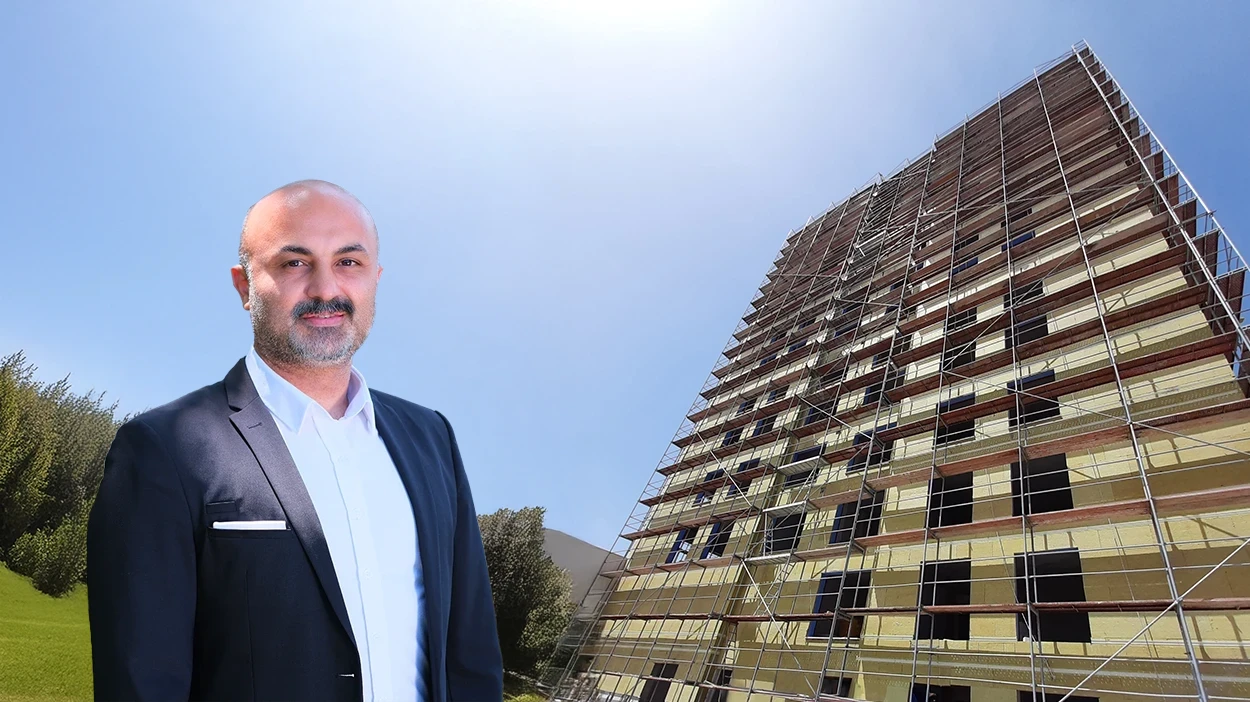
Tolga Ceylan
Sales and Marketing Manager, Bonus Yalıtım
New-Generation Fire Safety Solutions in Türkiye with Bonus Yalıtım
Fire safety regulations in Türkiye are largely aligned with European standards in terms of material classifications, fire resistance, escape routes, smoke control, and fire suppression systems. However, in practice, differences in inspection procedures, workmanship quality, and delays in regulatory updates can make full compliance more difficult to achieve.Türkiye has a strong regulatory framework, yet the critical factors in creating safe buildings are the correct implementation of these rules and the selection of high-quality materials. In key areas, regulations include clear references to EN standards as well as the CE and CPR frameworks. Nevertheless, there is still a need to improve consistency in performance-based design, implementation, and inspection processes.
What are the most significant recent changes in fire safety standards in Türkiye?
In recent years, fire safety standards have become more stringent, particularly regarding the use of non-combustible materials on façades, fire barriers in ventilated façade systems, escape routes, and smoke control.
These developments have further strengthened alignment with international standards. However, the most critical issue remains the proper implementation of these requirements on site and the rigorous inspection of construction practices.
How effective is fire safety training and awareness in ensuring compliance with standards in projects across Türkiye?
Although fire safety regulations in Türkiye are highly comprehensive, one of the most critical factors is the level of training and awareness in actual implementation.
From a theoretical perspective, we have a strong regulatory foundation. However, for this framework to be effective in practice, engineers, architects, contractors, and applicators involved in projects need to develop a much deeper understanding of fire safety requirements.
Unfortunately, inspection approaches may vary between different regions, while material selection is sometimes driven primarily by cost considerations. This can make it difficult to fully achieve the level of safety intended by the regulations.
This is where training and awareness initiatives become particularly important. Increasing awareness among both industry professionals and building users is essential for encouraging the selection of appropriate materials and ensuring correct application practices.
What are the most common fire safety deficiencies identified during inspections?
Among the most frequently encountered issues are the use of low-performance products instead of non-combustible materials, incomplete or missing fire barriers in facade details, escape routes that are not designed in accordance with regulations, and inadequate smoke control systems.
In short, deficiencies in both active and passive fire safety systems and applications can create serious risks.
Within the scope of new-generation fire safety solutions, could you tell us about the new products and services you have recently developed and introduced to the market?
Stone wool products are at the core of our fire safety solutions.
Our stone wool products comply with EN standards, carry CE certification, and have been tested in international laboratories. They stand out for their high fire performance and are particularly effective in exterior façade applications and ventilated façade systems, where they contribute significantly to building safety.
Stone wool also provides an effective solution for fire barrier applications. In this way, it offers a reliable material solution that meets the requirements of both Turkish regulations and international standards.
Your company allocates significant resources to the development of the industry. What can you tell us about your intensive R&D activities?
In addition to sector-specific training activities, we allocate significant resources to sponsoring informative seminars and panels that bring together industry associations, public institutions, and private-sector stakeholders.
At the same time, our training programs for installers and end users continue without interruption. The communication network established through these initiatives produces valuable outcomes for our company and the industry.
By maintaining close interaction throughout the entire value chain, from manufacturers to end users, we are able to monitor changing needs, emerging innovations, customer expectations, and evolving market demands. These insights provide valuable input into our R&D processes.
We carry out intensive work in areas such as product portfolio management, new product development, improvement of existing products, and even the development of patents and utility models.
We believe that R&D is not simply an engineering output. It is an ongoing journey that begins with accurately identifying real needs and continues without end. Our new management structure and culture of continuous improvement are helping this process grow progressively stronger and enabling us to make a greater contribution to the industry.
What should be considered when selecting the right system and the appropriate product?
Choosing the correct system and the most suitable product is one of the most critical aspects of fire safety.
When it comes to stone wool, the first criteria to consider are compliance with EN standards, CE certification, and successful performance in internationally recognized fire tests. In addition, density, thickness, and fire resistance performance must be correctly determined according to the intended application.
For example, in exterior façade applications, stone wool provides not only thermal insulation but also an important fire safety function due to its non-combustible characteristics, helping limit the spread of fire across the façade.
In ventilated façade systems, stone wool should be applied together with properly designed fire barrier details as part of a complete system.
At Bonus Yalıtım, we verify the reliability of our products not only through performance testing but also through certifications demonstrating health and environmental performance. Our EUCEB certification confirms the health safety of our mineral wool products, while our EPD documents provide transparent information regarding their environmental performance and sustainability.
In this way, we offer solutions that comply with regulatory requirements and can also be confidently specified in international projects.
What advantages and added value do your products and services provide to customers after sale or application in projects?
The products and services selected for projects provide our customers with benefits that go beyond fire safety. They also contribute to long-term reliability, efficiency, sustainability, and comfort.
Our Bonus Stone Wool products enhance building safety in façade and roof applications thanks to their high fire performance. At the same time, their thermal and acoustic insulation properties contribute to improved energy efficiency and indoor comfort.
In other words, we do not simply provide products. We offer integrated solutions that add reliability, sustainability, performance, and quality to our customers’ projects.
As a sustainability-focused brand, what initiatives are you undertaking in recycling, waste management, and renewable energy use?
At Bonus Yalıtım, we view sustainability not merely as an environmental policy, but as an integral part of our corporate culture.
In line with this approach, we have established a comprehensive waste management system at our production facilities in compliance with Türkiye’s Zero Waste Regulation. We separate waste at its source across both production and administrative processes and send recyclable materials to licensed facilities so they can be returned to the economy.
We also ensure that electronic waste, batteries, and waste vegetable oils are collected separately and transferred to appropriate recovery and recycling processes.
To increase environmental awareness among our employees, we regularly organize environmental training programs, strengthening our zero-waste approach through individual participation.
In addition, we continue to reduce our carbon footprint through practices that improve energy efficiency and by developing projects aimed at increasing the use of renewable energy sources.
In short, we regard recycling, waste management, and energy efficiency not simply as legal obligations, but as fundamental elements of our corporate responsibility and sustainable development vision, contributing directly to the circular economy.
Tolga Ceylan
Sales and Marketing Manager, Bonus Yalıtım