
TECHNICAL ARTICLES
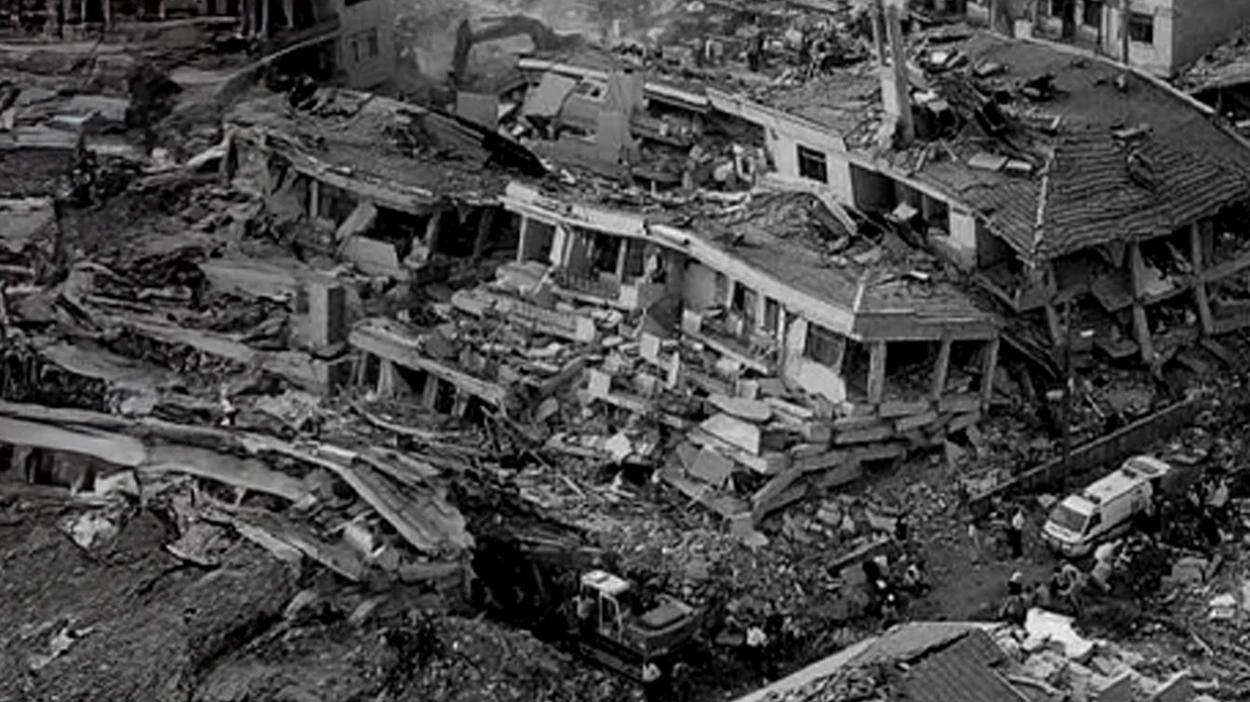
Every August, the anniversary of the 17 August 1999 Marmara Earthquake brings Türkiye’s seismic reality back into focus. Twenty-seven years later, the events of that night remain not only a major tragedy of the past, but also an important reminder of the building safety challenges that still need to be addressed today.
One of the most important lessons of 17 August is that building safety cannot be measured solely by how a structure performs during the few seconds of an earthquake. Long-term safety depends on an entire process: sound design, quality construction, appropriate materials, effective supervision, and how well the structure is protected throughout its service life.
A significant part of Türkiye is exposed to active fault systems, while the Marmara Region combines high seismic risk with dense population, urban development, industry, and economic activity. This makes earthquake resilience an ongoing responsibility rather than an issue remembered only after major events.
Building Safety Begins Long Before an Earthquake
We cannot know exactly when an earthquake will occur. What we can influence is the condition in which our buildings will face that moment.
A structure’s seismic performance depends on many interconnected factors, from geotechnical investigation and structural design to material quality, workmanship, inspection, and long-term maintenance.
For this reason, building safety should not be evaluated only by a structure’s condition when first completed. Preserving its intended performance throughout its service life is equally important.
This is where insulation systems become an important part of long-term building health.
Waterproofing Supports Long-Term Structural Protection
Insulation alone does not make a building earthquake-resistant. Seismic safety depends first and foremost on sound engineering, an appropriate structural system, quality materials, compliant construction, and effective supervision.
However, properly designed and installed insulation systems can help limit deterioration caused by environmental exposure and support the preservation of the building’s intended performance over time.
Waterproofing is particularly important in this respect.
In reinforced concrete structures, prolonged exposure to water and moisture can contribute to corrosion of reinforcement steel. As corrosion progresses, reinforcement cross-sections may be reduced, the bond between concrete and steel can deteriorate, and the durability of structural elements may be compromised.
Waterproofing at foundations, basement walls, roofs, terraces, and other areas exposed to water should therefore not be viewed simply as a measure against dampness or discomfort. It is a fundamental form of structural protection that helps shield building elements from the long-term effects of water and moisture.
Earthquakes Test the Weaknesses Accumulated Over Time
A building’s ability to withstand an earthquake with minimal damage does not depend on a single product or application. Safe structures are the result of consistent, well-informed decisions from the earliest design stage through to the final construction detail.
Within this broader approach, insulation helps preserve building performance against water, moisture, temperature variations, and other environmental effects.
When an earthquake occurs, it tests not only the building’s condition on that day, but also weaknesses that may have developed gradually and remained unseen over many years. This is why concealed construction details can play such an important role in long-term building safety.
Properly designed and installed waterproofing systems help limit water penetration and protect structural elements. Thermal insulation supports the management of heat and moisture within the building envelope and contributes to energy performance, while fire protection is another essential component of a comprehensive building safety strategy, including against secondary risks that may arise after an earthquake.
Insulation should therefore be considered not as a final construction detail, but as part of an integrated building health strategy from the earliest design stages. Product selection, detailing, workmanship, and supervision all influence long-term system performance.
Preparedness Is as Important as Remembrance
Every 17 August reminds us of the same reality: earthquakes cannot be prevented, but there are measures we can take today to make buildings safer and more resilient.
This responsibility becomes even more important in regions where seismic risk, population density, and building stock are concentrated. Buildings must therefore be designed, constructed, and protected not only to meet today’s needs, but also to maintain their safety and performance throughout their service life.
At Bonus Yalıtım, we believe that safer, longer-lasting buildings require an integrated approach based on scientific knowledge, standards, appropriate material selection, quality workmanship, and disciplined application.
Building Safety Begins Long Before an Earthquake
Rethinking Building SafetyEvery August, the anniversary of the 17 August 1999 Marmara Earthquake brings Türkiye’s seismic reality back into focus. Twenty-seven years later, the events of that night remain not only a major tragedy of the past, but also an important reminder of the building safety challenges that still need to be addressed today.
One of the most important lessons of 17 August is that building safety cannot be measured solely by how a structure performs during the few seconds of an earthquake. Long-term safety depends on an entire process: sound design, quality construction, appropriate materials, effective supervision, and how well the structure is protected throughout its service life.
A significant part of Türkiye is exposed to active fault systems, while the Marmara Region combines high seismic risk with dense population, urban development, industry, and economic activity. This makes earthquake resilience an ongoing responsibility rather than an issue remembered only after major events.
Building Safety Begins Long Before an Earthquake
We cannot know exactly when an earthquake will occur. What we can influence is the condition in which our buildings will face that moment.
A structure’s seismic performance depends on many interconnected factors, from geotechnical investigation and structural design to material quality, workmanship, inspection, and long-term maintenance.
For this reason, building safety should not be evaluated only by a structure’s condition when first completed. Preserving its intended performance throughout its service life is equally important.
This is where insulation systems become an important part of long-term building health.
Waterproofing Supports Long-Term Structural Protection
Insulation alone does not make a building earthquake-resistant. Seismic safety depends first and foremost on sound engineering, an appropriate structural system, quality materials, compliant construction, and effective supervision.
However, properly designed and installed insulation systems can help limit deterioration caused by environmental exposure and support the preservation of the building’s intended performance over time.
Waterproofing is particularly important in this respect.
In reinforced concrete structures, prolonged exposure to water and moisture can contribute to corrosion of reinforcement steel. As corrosion progresses, reinforcement cross-sections may be reduced, the bond between concrete and steel can deteriorate, and the durability of structural elements may be compromised.
Waterproofing at foundations, basement walls, roofs, terraces, and other areas exposed to water should therefore not be viewed simply as a measure against dampness or discomfort. It is a fundamental form of structural protection that helps shield building elements from the long-term effects of water and moisture.
Earthquakes Test the Weaknesses Accumulated Over Time
A building’s ability to withstand an earthquake with minimal damage does not depend on a single product or application. Safe structures are the result of consistent, well-informed decisions from the earliest design stage through to the final construction detail.
Within this broader approach, insulation helps preserve building performance against water, moisture, temperature variations, and other environmental effects.
When an earthquake occurs, it tests not only the building’s condition on that day, but also weaknesses that may have developed gradually and remained unseen over many years. This is why concealed construction details can play such an important role in long-term building safety.
Properly designed and installed waterproofing systems help limit water penetration and protect structural elements. Thermal insulation supports the management of heat and moisture within the building envelope and contributes to energy performance, while fire protection is another essential component of a comprehensive building safety strategy, including against secondary risks that may arise after an earthquake.
Insulation should therefore be considered not as a final construction detail, but as part of an integrated building health strategy from the earliest design stages. Product selection, detailing, workmanship, and supervision all influence long-term system performance.
Preparedness Is as Important as Remembrance
Every 17 August reminds us of the same reality: earthquakes cannot be prevented, but there are measures we can take today to make buildings safer and more resilient.
This responsibility becomes even more important in regions where seismic risk, population density, and building stock are concentrated. Buildings must therefore be designed, constructed, and protected not only to meet today’s needs, but also to maintain their safety and performance throughout their service life.
At Bonus Yalıtım, we believe that safer, longer-lasting buildings require an integrated approach based on scientific knowledge, standards, appropriate material selection, quality workmanship, and disciplined application.